
By Daniel Reyes, MD · Reviewed by the Kalmausam Editorial Team · Updated June 27, 2026
Dual diagnosis treatment is designed for people living with both a mental health condition and a substance use disorder at the same time, addressing them together rather than as separate problems. This combination is common, and when only one side is treated, the other often pulls a person back. Integrated care recognizes how tightly the two are woven together, and understanding how it works can help you or someone you love find support that fits the whole picture.
If you are in crisis or thinking about self-harm: call or text 988 (Suicide & Crisis Lifeline) anytime — free and confidential. If someone is in immediate danger, call 911.
What dual diagnosis treatment actually is
A dual diagnosis, also called a co-occurring disorder, describes having a mental health condition such as depression, anxiety, PTSD, or bipolar disorder alongside a substance use disorder involving alcohol or other drugs. Dual diagnosis treatment brings both conditions into the same plan, with one coordinated team rather than two disconnected ones that rarely talk to each other. The aim is to treat the whole person, not just one diagnosis at a time, because the two conditions interact constantly and shape each other’s course. A team practicing this way looks at how your mood, your sleep, your stress, and your substance use all influence one another, then builds a plan that accounts for the full picture instead of one slice of it.
According to SAMHSA, co-occurring conditions are common, and integrated approaches tend to produce better outcomes than treating each in isolation. If the substance side of the picture involves alcohol and physical withdrawal, our guide to what to expect at an alcohol detox center explains that first stage in detail.
Why co-occurring conditions need integrated care
Mental health and substance use feed each other in ways that are hard to untangle. Someone may drink to quiet anxiety, and the drinking deepens depression, which fuels more drinking in a loop that is exhausting to live inside. When a person is sent to mental health care that ignores the substance use, or to addiction care that ignores the underlying condition, progress in one area is easily undone by the other, and people can end up feeling that nothing works. Integrated dual diagnosis treatment closes that gap by keeping both conditions in view at the same time, so a relapse is treated as information about the whole system rather than a personal failure or a reason to be discharged.
The historic model of treating these conditions in separate systems often left people bouncing between providers who did not communicate. Research summarized by the National Institute of Mental Health supports treating both at once with a unified team. That coordination is the defining feature of quality care here, and it is what makes the approach more durable.
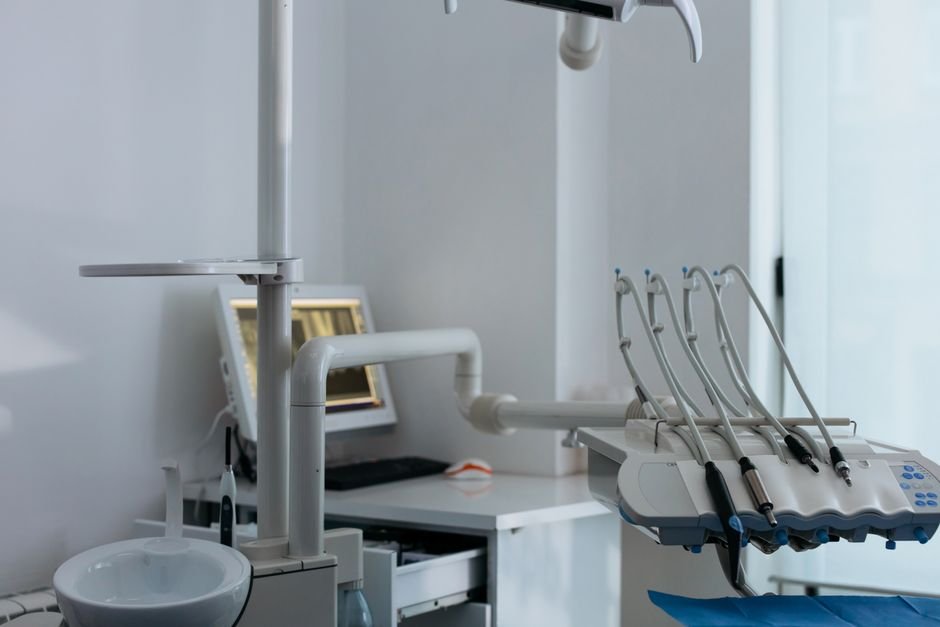
What dual diagnosis treatment programs offer
Programs vary, but most combine several elements: a thorough assessment of both conditions, individual and group therapy, psychiatric care for medication management, and relapse-prevention skills you can use in everyday situations. Evidence-based therapies like cognitive behavioral therapy and motivational interviewing are common, and many programs incorporate peer support, recovery coaching, and family involvement so the people around you understand how to help. Some also offer trauma-focused care, since trauma frequently underlies both conditions and addressing it can ease the pressure that drives substance use. Good programs also plan for life after the program, helping you line up ongoing therapy, support meetings, and a relapse-prevention plan before you finish.
Care is delivered at different intensities depending on need, from outpatient counseling to a partial hospitalization program to residential and inpatient psychiatric care. Decisions about any medication, including whether one is appropriate and at what dose, rest with your prescriber; this guide does not recommend starting or stopping any prescription. The FDA and your clinician are the right sources for medication questions.
Who it is and isn’t a fit for
Integrated care is a strong fit for anyone whose mental health symptoms and substance use are clearly intertwined, especially if past attempts to address just one side have not held for long. It is also valuable when symptoms are severe, when there have been repeated relapses, or when a person feels caught between two systems that never quite connected and is tired of repeating their story to providers who do not coordinate. If you have ever been told that you need to “get sober first” before anyone will treat your depression, or vice versa, integrated care is the answer to that frustrating dead end.
It may not be the immediate first step if someone needs urgent medical stabilization or detox; those needs usually come first, after which dual diagnosis treatment continues the work. For people whose primary concern is a single condition without active substance use, a more focused program may be enough. A good assessment will sort this out, and you can read about depression-specific approaches in our piece on exercise and depression.

What it costs and how to pay
Co-occurring disorder care is covered by most private insurance, Medicare, and Medicaid, because behavioral health is an essential benefit protected by federal parity rules that apply to both mental health and substance use treatment. Your costs depend on the level of care, your deductible and copays, and whether the program is in network with your plan. Residential and inpatient settings cost more than outpatient ones, and many programs require prior authorization and periodic reviews to keep coverage in place. It is worth calling your insurer before you start to confirm what is covered and to ask whether the specific program you are considering is in network.
If you are uninsured or underinsured, many publicly funded programs offer sliding-scale fees based on income. Our guides to mental health insurance coverage and Medicaid mental health benefits can help you understand what your plan pays. The SAMHSA National Helpline (1-800-662-4357) can also connect you to low-cost and free options.
How to find a program you can access
The federal treatment locator at findtreatment.gov lets you search specifically for programs that treat co-occurring conditions and filter by payment type and level of care. When you call a program, ask directly whether they provide integrated dual diagnosis treatment with both addiction and mental health clinicians on the same team, rather than referring out for one side.
For guidance and a listening ear, the NAMI HelpLine at 1-800-950-6264 and the resources at NAMI are free and staffed by people who understand how confusing this search can be. Keep notes from each call so you can compare programs on wait times, services offered, and cost, and lean on a trusted friend or family member to help you make calls and follow through, since doing this alone while unwell is genuinely hard. There is no shame in asking someone to sit beside you while you dial.
When to seek a higher level of care
If symptoms escalate, if withdrawal becomes physically dangerous, or if thoughts of self-harm appear, a higher level of care is the safer choice. Severe alcohol or sedative withdrawal in particular can be medically serious and may require supervised detox before other treatment can safely begin. The same is true if mood symptoms become overwhelming or if you find you cannot keep yourself safe between appointments. Do not wait for a full crisis to ask for more support; reaching out early, while you still feel some footing, keeps more options open and makes the next steps less frightening.
Treating both conditions together gives people a realistic chance at lasting recovery, instead of fighting the same battle twice and wondering why progress keeps slipping away. Recovery from co-occurring conditions is absolutely possible, and many people who once felt stuck in a revolving door go on to build stable, meaningful lives. Healing rarely follows a straight line, with steps forward and occasional steps back, and that is okay; setbacks are part of the process, not proof that it cannot work. The best step is the one you can take this week.
Medical disclaimer: This article is for informational purposes only and is not medical, psychological, or psychiatric advice, diagnosis, or treatment. If you are experiencing symptoms of a mental health condition, consult a licensed clinician in your state.